
How to Check the Car Coolant Level A Summer Guide

How to Check the Car Coolant Level A Summer Guide Featured Image
0

How to Check the Car Coolant Level A Summer Guide

A rising heatwave can turn any drive into a stressful experience, especially when your engine struggles. That is why keeping an eye on your coolant level matters more than most drivers realize. When the coolant level drops, your engine starts working harder and the temperature rises fast. So, if you drive daily in city traffic or long summer routes, this small check can save you from big trouble.
In fact, many drivers ignore early warning signs and only react when the car overheats. However, a quick routine check keeps your journey smooth and safe. Moreover, this guide from Toyota Creek Motors helps you understand your car better. Also, you will learn simple steps to avoid engine stress during peak summer heat. So, let’s break it down in a clear and practical way.

Importance of coolant in a Car

The importance of coolant in car performance is often underestimated because it directly controls engine temperature and keeps everything running in balance. As a result, your car’s cooling system relies on it to prevent heat buildup and protect the engine from damage.
Moreover, coolant circulates through the engine, absorbing heat. Then it releases that heat through the radiator. As a result, your engine stays stable even during long drives. However, when the car coolant level drops, this system struggles.
Therefore, regular checks help you avoid sudden breakdowns. Also, Toyota cars perform best when the coolant stays within the safe range. So, never ignore this basic but powerful maintenance step.

How do you tell if your Coolant is Low?

So, how do you notice a drop in fluid early? First, check your dashboard. If the warning light appears, your car’s coolant level might be low. Also, you may notice rising engine temperature during normal driving.
Meanwhile, another clear sign includes weak air conditioning. However, many drivers miss early signs and ask, How do you tell if your coolant is low? The answer is simple. Check the reservoir tank and observe the markings.
Moreover, if you see frequent temperature spikes, take it seriously. Because low coolant often leads to car radiator problems, such as overheating. So, quick action helps prevent bigger damage later.

What Happens When Coolant Level Drops

When the coolant level goes low, heat does not move out of the engine properly. That is when car radiator problems, such as overheating, usually start.

Moreover, the radiator cannot manage high temperatures without enough coolant flow. This leads to rising engine heat, warning lights, and reduced performance.
In addition, long-term neglect can damage important parts like the water pump, head gasket, and radiator itself. So, a small drop in fluid can quickly turn into a major repair issue.

What Is the Normal Coolant Level in a Car?

A healthy coolant level should always stay between the “F” (Full) and “L” (Low) markings on the reservoir tank. This range shows that your engine has enough fluid to manage heat properly.

So, if the level drops below the “L” mark, your engine starts losing cooling efficiency and needs immediate attention. On the other hand, if it stays close to “F,” your car’s cooling system is working in a safe range.

However, overfilling is not a good idea either. Excessive coolant can build pressure in the system and affect performance over time.
Also, always check the level when the engine is completely cool. Because heat expands the fluid, it can give a misleading reading. Therefore, checking at the right time ensures accuracy and keeps your engine protected, especially during long summer drives.

How to Check Coolant Level Step by Step

Let’s keep this simple and practical. A proper check takes only a few minutes, but it needs the right order to avoid mistakes.

Step 1: Park and Cool the Engine

First, park your car on a flat surface. Then switch off the engine and wait until it cools completely. This step matters because a hot engine can give wrong readings and create safety risks.

Step 2: Locate the Coolant Reservoir

Next, open the bonnet and find the coolant reservoir. It is usually a transparent tank placed near the radiator. In most Toyota vehicles, the cap also has a clear coolant label for easy spotting.

Step 3: Check the Coolant Level Markings

Now, look at the side of the tank. You will see “F” and “L” markings. Check where the liquid sits.

If the level stays close to “F,” your system is fine. However, if it drops near “L,” your coolant level needs attention.

Step 4: Top Up if Required

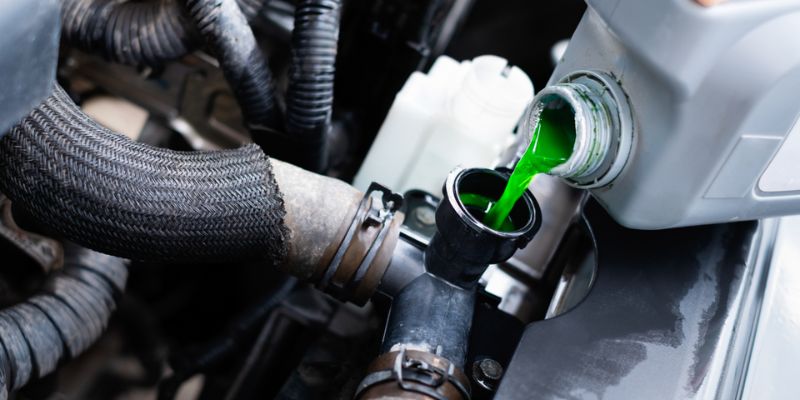
If the level is low, slowly open the cap once the engine is safe to touch. Then refill carefully until it reaches the correct mark. Avoid overfilling because it can create pressure issues in the car’s cooling system.

Step 5: Final Check and Safety

Finally, secure the cap tightly and check the area around the reservoir. Look for leaks or wet spots. If everything looks normal, your car is ready for the road.

Toyota Creek Motors always recommends checking before long drives, especially in summer, when engine heat builds up faster.

Car Cooling System Care and Prevention Tips

A car cooling system works best when it stays clean, sealed, and properly maintained. It helps manage engine heat, especially during long summer drives and heavy traffic conditions.
To keep it in good condition, focus on these key points:
  • Regularly check hoses for cracks, wear, or looseness
  • Inspect the radiator cap to ensure a tight and proper seal
  • Monitor coolant quality and top up when needed
  • Look for small leaks around the reservoir and engine area
  • Keep an eye on the coolant level to avoid gradual drops
Therefore, small maintenance habits make a big difference in long-term performance. Even minor leaks or weak seals can slowly reduce the coolant level and impact engine efficiency over time.

So instead of waiting for overheating signs, routine inspection helps you stay ahead of issues and maintain consistent engine performance.

Ready to Beat the Heat on the Road?

A regular check of your coolant level keeps your engine safe from heat stress and sudden breakdowns. So, when you maintain the right level, your car performs smoothly even in peak summer conditions. Moreover, simple routine care helps you avoid costly repairs and keeps every drive more reliable and stress-free.

Chat with us