

What is an Engine Overhaul & Why is it Necessary?
Written by Abrar FazlaniWhen your car feels weak, starts consuming more oil, or struggles on the road, it can cause real stress. That’s when mechanics often suggest an engine overhaul. At first, the word itself can sound heavy and confusing. Does it mean your car is at the end of its life? Will it cost you more than buying a new vehicle?
The truth is, an engine overhaul is not always bad news. In fact, it can be the best way to restore your car’s performance and give it a fresh start. Think of it as a complete reset for your engine, where worn-out parts get replaced and the engine comes back to life with renewed strength. In this blog, we will explain what an engine overhaul really is, why it is necessary, how the process works, and what you should do after it.
What Does an Engine Overhaul Mean?
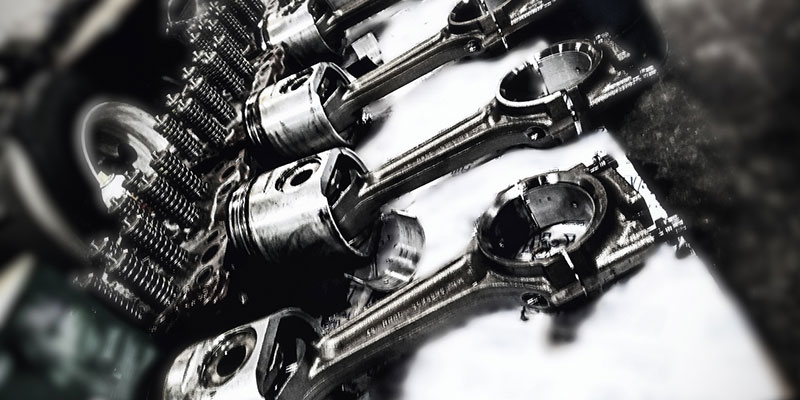
An engine overhaul means taking the entire unit apart, carefully checking each component, and repairing or replacing the parts that no longer work as they should. Once everything is cleaned, fixed, and reassembled, your car regains its strength and performance.
It is not the same as installing a brand-new motor. Instead, the existing one gets rebuilt and restored. This approach is especially helpful for vehicles that have run for many years or have started showing signs of trouble such as smoke, high fuel consumption, knocking sounds, or a noticeable drop in power.
For Toyota owners, whether you drive a Corolla, Fortuner, or Yaris, this process can be the difference between replacing your beloved car or enjoying many more years of reliable driving.
The Engine Overhaul Process
This isn’t one time quick job, it requires skill, patience, and professional care. Here is how it usually goes:
- Engine removal: The engine is taken out of the car to allow a detailed inspection.
- Complete disassembly: Every part is carefully removed so nothing is missed.
- Thorough cleaning: Dirt, oil sludge, and carbon deposits are cleaned to restore clarity.
- Inspection and measurement: Mechanics check wear levels of pistons, bearings, valves, and cylinders.
- Replacement of parts: Any worn or damaged part is replaced with new genuine components.
- Reassembly: The engine is rebuilt step by step with precision.
- Testing and tuning: After assembly, the machine is tested to ensure it performs like new.
At authorized service centers such as Toyota Creek Motors, technicians use advanced diagnostic tools and genuine Toyota parts during this process. This ensures your automobile does not just run again, but runs efficiently and reliably.
Benefits of Engine Overhaul
Saves You Money
Replacing a whole engine can cost a fortune. An overhaul restores the same engine at a much lower cost.
Restores Lost Power
If your Toyota has started to feel weak, an overhaul can bring back the strength and smooth drive you once enjoyed.
Improves Fuel Efficiency
A clean and repaired engine burns fuel more efficiently. This means fewer visits to the fuel station and lower running costs.
Extends the Life of Your Car
With fresh parts and proper rebuilding, your car can keep serving you for many more years without major problems.
Gives Peace of Mind
Knowing that your engine was rebuilt by certified Toyota technicians allows you to drive with confidence on every journey.
Engine Overhaul vs Replacement
Car owners often ask whether they should overhaul or replace their machine. The answer depends on the condition of the engine.
- Overhaul works when the main structure of the engine is still solid. It saves money, keeps the original engine, and retains the value of the car.
- Replacement is the only choice if the engine block is cracked, heavily damaged, or beyond repair. It costs more, but in some rare cases it is unavoidable.
For most Toyota vehicles, overhaul is usually the smarter option, especially when handled by experts who know the brand inside out.
What to Do After Engine Overhaul
Once your car gets a fresh engine rebuild, you need to take proper care of it. Knowing what to do after engine overhaul helps the engine last longer and run better. Here are some simple but important steps:
- Change engine oil on time: Fresh oil is crucial for protecting new parts.
- Drive gently at first: Avoid high speeds or heavy loads during the initial running period.
- Keep up with service schedules: Follow the Toyota service manual and do not skip routine checks.
- Use only genuine parts: Using original Toyota parts ensures reliability and long-term durability.
- Monitor performance: Stay alert to any unusual noise, vibration, or smoke and get it checked quickly.
Conclusion
An engine overhaul is not the end of your car’s journey but a fresh beginning. It saves money, restores performance, and adds more life to your Toyota. With proper care after the process, your car will reward you with smooth drives for years to come.