

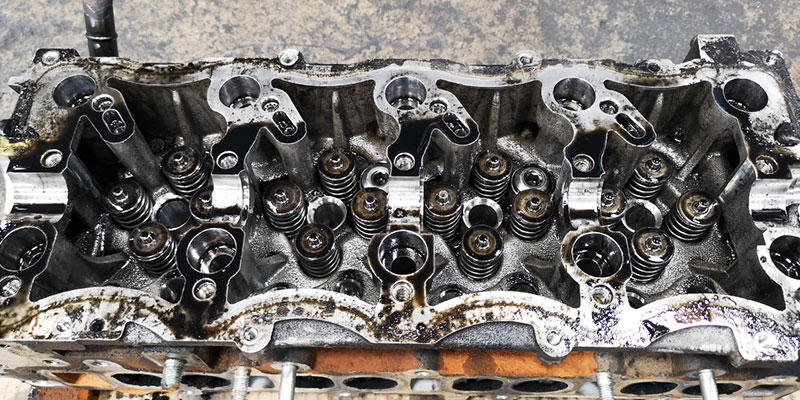
Warning Signs for Damaged Engine Valves: Symptoms, Causes & Repair Options
Written by Maham@DEWhat is Engine Valve & Why Does it Matter?
Simply put, it is a tiny gatekeeper inside your engine that lets air and fuel in and pushes exhaust gases out. Your engine has inlet valves and exhaust valves, both of which open and close in perfect timing.
If the valves on the car get damaged, your engine loses power, burns more oil, and starts making odd noises. Think of valves like lungs, if they’re not working properly, everything else suffers.
Top Symptoms of Damaged Valves in Engine
Let’s break down the warning signs you shouldn’t ignore:
1. Ticking or Popping Sounds
This is often the first red flag. You hear a tapping or ticking noise, especially as you accelerate. It means the valve components are either worn out or not properly aligned. It might also suggest your engine isn’t getting the oil it needs. If you hear these noises, don’t wait. Have a mechanic take a look.
2. Blue Smoke from the Exhaust
Seeing blue smoke from the tailpipe is a clear sign of valve problems. It usually happens when oil leaks into the combustion chamber and burns along with fuel. The smoke tends to get worse at high speeds. This is also one of the key symptoms of a burnt valve.
3. Rough Idling
Does your car feel shaky when it’s just sitting at a red light? That’s often because the valve seals are letting oil leak into places it shouldn’t. When this oil burns, it creates rough idling and blue smoke. It’s a telltale sign of damaged valves in engine.
4. Poor Acceleration and Power Loss
When the valves don’t close tightly, your engine loses pressure. That means less power and slower acceleration. You press the pedal, but the car doesn’t respond the way it used to. This is especially common in cars with burnt valves, where holes or gaps stop the engine from building enough compression.
5. Excessive Oil Consumption
Always topping up your engine oil? That could point to a problem with your valve seals. If oil keeps disappearing with no visible leaks, it’s likely getting burned inside the engine—thanks to faulty valve seals.
6. Engine Backfiring
Backfiring can happen when the combustion process inside the engine is thrown off balance. This could be due to a valve problem where gases leak back into the intake manifold. A worn or weak valve spring often causes this issue.
What Causes Valve Damage?
Now that you know the signs, let’s look at what causes valves to fail in the first place:
Timing Belt Failure
If the timing belt breaks, valves can hit the pistons inside the engine. That leads to bent or broken valves, an expensive fix.
Heat Damage
Too much heat, often due to poor cooling or delayed ignition, can cause valves to burn. This mostly affects exhaust valves.
Wear and Tear
Like any moving part, valves get worn out over time. Especially in older cars, the seals and guides begin to fail after years of use.Poor Installation
Sometimes, if parts are not fitted properly like the valve springs, they create stress that bends or breaks the valves.
How to Test for Valve Issues at Home
Here’s a simple method to check for damaged valves in engine:
- Let your car sit overnight.
- Start the engine in the morning.
- Look at the exhaust.
If you see blue-white smoke for the first minute or two, it likely means oil seeped into the combustion chamber overnight. That’s a strong sign of worn valve seals.
You can also ask a mechanic to do a compression test. Low compression in one or more cylinders often points to valve trouble.
Can You Hear a Bad Valve?
Yes, you definitely can. Most bad valves create a distinct ticking or popping sound. It gets louder when you hit the gas. This sound means something in the valve train is either loose, misaligned, or just worn out. If you hear it, don’t ignore it—especially if it’s paired with blue smoke or rough idling.
Repair Options for Valve Problems
- Valve Seal Replacement: If caught early, replacing just the seals might fix the issue.
- Valve Job: This includes regrinding or replacing damaged valves and seats.
- Engine Rebuild: In severe cases, you might need a full rebuild. This is rare in newer cars but possible if damage spreads.