

What Causes Brake Failure in Cars?
Written by Abrar Fazlani1. Worn-Out Brake Pads
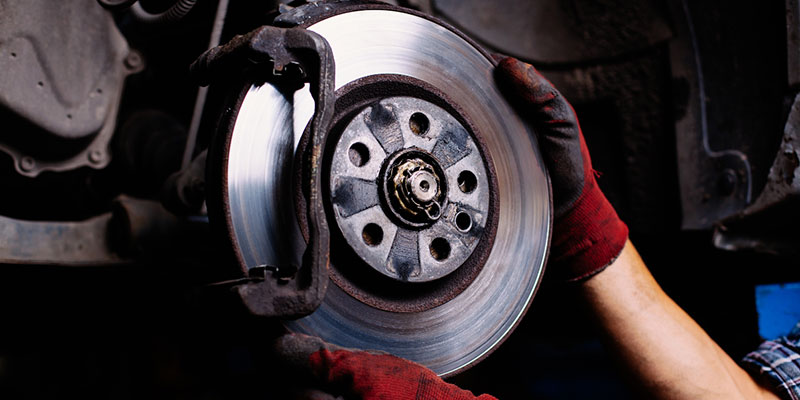
Brake pads wear out as you drive. When they get too thin, they can’t create enough friction to stop the car quickly. This can become a serious problem, especially in stop-and-go traffic.
2. Brake Fluid Leaks
Brake fluid creates the pressure your brakes need to work. If you ever notice brake fluid leaking from the rear wheel, it indicates a problem.
3. Overheated Brakes
Hard braking, towing heavy loads, or driving down long slopes can overheat your brakes. This causes the fluid to boil or the pads to glaze, which reduces the brakes’ effectiveness.
4. Air in the Brake Lines
If your pedal feels squishy, there could be air trapped in the lines. Air prevents pressure from flowing properly through the brake system.
5. ABS and Electronic Brake System Issues
Modern cars feature advanced technology, including the ABS brake system and electronic braking systems. These systems help improve control during sudden braking or stopping.
Toyota vehicles are equipped with reliable braking systems, but they still need regular checks. If your warning light comes on, visit a technician right away.
6. Delayed Maintenance
Neglecting routine inspections often results in serious braking issues. Many drivers wait until something feels noticeably wrong before seeking service, which can be a costly mistake. Regular maintenance helps identify minor concerns, such as worn components or low fluid levels, before they escalate into full system failure.
Furthermore, if you’re unsure about the timing of your last brake check, it’s best to schedule a thorough inspection at Toyota Creek Motors for peace of mind and continued driving safety.
7. Rust and Corrosion
Karachi’s humid climate can cause rust, particularly on components such as rotors and calipers. Rust slows down the system and reduces the effectiveness of the brakes.
8. What to Do If Brakes Fail in an Automatic Car
If you’re driving and suddenly lose stopping power, don’t panic. For example, if you’re in your Toyota Yaris, ease off the accelerator and shift into a lower gear to help slow the car naturally.
Apply the handbrake gently; avoid pulling it sharply. Turn on your hazard lights and use your horn to warn others around you. Carefully steer to a safe spot, then switch off the engine once the vehicle has come to a full stop. Finally, call for a tow and have the issue handled by a professional.
Common Signs That Your Brakes Are Going Bad
- Screeching or grinding sounds when you brake.
- A pedal that feels soft or sinks to the floor.
- Your car pulls to one side when stopping.
- The steering wheel shakes or vibrates under braking.
- A flashing brake warning light on the dashboard.
How Toyota’s Safety Tech Helps Prevent Brake Failures
Toyota vehicles are built with advanced safety features that make braking more reliable and controlled, especially in unexpected situations.
ABS: Anti-lock Braking System
One of the key features is the ABS, or Anti-lock Braking System. It prevents the wheels from locking up during sudden braking, which helps the driver maintain control of the vehicle. This is especially useful in wet or slippery enviorments, where maintaining grip and control becomes more challenging for the tires..
EBS: Electronic Braking System
The Electronic Braking System, or EBS, ensures brake pressure is distributed evenly across all wheels. This creates smoother stops and prevents the car from pulling to one side. It also helps maintain better vehicle balance during braking, especially at higher speeds or in emergency situations.
Standard in Newer Toyota Models
These features come standard in many newer Toyota models, such as the Prius and Camry. By combining ABS and EBS, these vehicles offer added confidence and safety whether you’re commuting daily or taking long road trips.
Supportive, Not a Replacement
These systems are designed to support your car’s braking performance, but they are not a replacement for regular maintenance. Even with ABS and EBS working properly, worn brake pads or low fluid levels can still cause brake failure. Technology helps, but it cannot replace the importance of checking and maintaining the physical parts of the braking system.
Why Regular Inspections Matter
Frequent inspections at trusted service centers like Toyota Creek Motors keep your brake system in top shape. Their trained technicians inspect for wear, leaks, and other issues to ensure your brakes function properly when you need them most. Regular maintenance not only extends the life of your braking system but also gives you peace of mind every time you hit the road.
Understanding Brake Fluid: Why It’s More Important Than You Think
- Brake fluid plays a vital role by transferring pressure from the pedal to the braking system. Without it, the vehicle simply won’t be able to stop properly.
- Over time, the fluid absorbs moisture, which reduces its effectiveness and can cause internal corrosion in the brake system.
- Dirty or low fluid can reduce stopping power and, if ignored, may result in total system failure.
- If you notice liquid leaking near the rear wheel, it often signals a damaged seal or hydraulic line. This issue requires immediate attention.
- Toyota vehicles are designed with clear reservoirs, making it easy to check fluid levels at a glance.
- Make it a habit to top up when needed, and always use the fluid type recommended in your owner’s manual.
Conclusion
Brakes don’t fail suddenly, they usually show warning signs first. Understanding what causes brake failure in cars can help you catch problems early. Listen to your car, act quickly, and stay safe on the road. And always remember, regular checks go a long way.
FAQs
A: Typically, brake pads last between 40,000 and 60,000 km. However, it depends on your driving style and conditions. If unsure, consult your manual or visit Toyota Creek Motors for a quick check.
A: Heat builds up with heavy braking or downhill driving. Over time, this can cause rotor warping and boil the brake fluid, resulting in reduced braking power.