

How to Check the Car Coolant Level A Summer Guide
Written by Uzair IskandarImportance of coolant in a Car
How do you tell if your Coolant is Low?
What Happens When Coolant Level Drops
When the coolant level goes low, heat does not move out of the engine properly. That is when car radiator problems, such as overheating, usually start.
What Is the Normal Coolant Level in a Car?
So, if the level drops below the “L” mark, your engine starts losing cooling efficiency and needs immediate attention. On the other hand, if it stays close to “F,” your car’s cooling system is working in a safe range.
How to Check Coolant Level Step by Step
Step 1: Park and Cool the Engine
First, park your car on a flat surface. Then switch off the engine and wait until it cools completely. This step matters because a hot engine can give wrong readings and create safety risks.
Step 2: Locate the Coolant Reservoir
Next, open the bonnet and find the coolant reservoir. It is usually a transparent tank placed near the radiator. In most Toyota vehicles, the cap also has a clear coolant label for easy spotting.
Step 3: Check the Coolant Level Markings
Now, look at the side of the tank. You will see “F” and “L” markings. Check where the liquid sits.
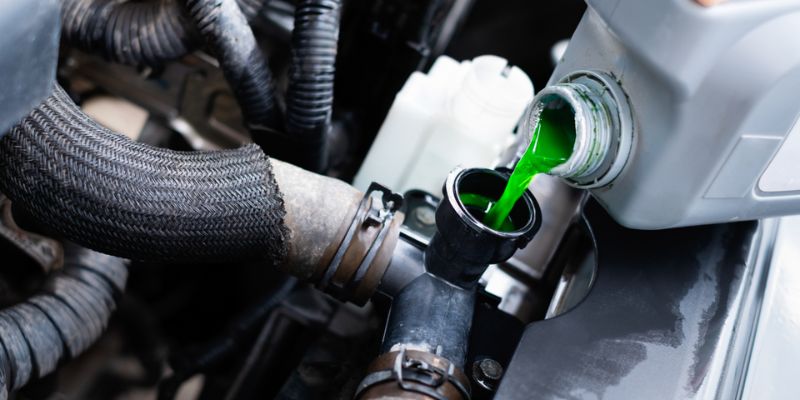
Step 4: Top Up if Required
If the level is low, slowly open the cap once the engine is safe to touch. Then refill carefully until it reaches the correct mark. Avoid overfilling because it can create pressure issues in the car’s cooling system.
Step 5: Final Check and Safety
Finally, secure the cap tightly and check the area around the reservoir. Look for leaks or wet spots. If everything looks normal, your car is ready for the road.
Car Cooling System Care and Prevention Tips
- Regularly check hoses for cracks, wear, or looseness
- Inspect the radiator cap to ensure a tight and proper seal
- Monitor coolant quality and top up when needed
- Look for small leaks around the reservoir and engine area
- Keep an eye on the coolant level to avoid gradual drops
So instead of waiting for overheating signs, routine inspection helps you stay ahead of issues and maintain consistent engine performance.