

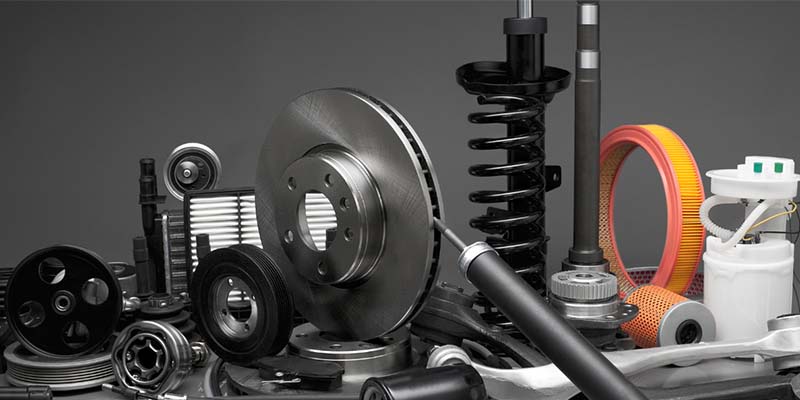
Car Engine Parts Explained: Function, Maintenance, Cost
Written by Maham@DEEvery driver knows that the car engine is like the heart of a vehicle, but not everyone understands what makes it beat. When you hear mechanics talk about car engine parts, it can feel overwhelming. Yet, the truth is simple: once you know the basics, you gain confidence in handling your car, whether it’s routine maintenance or understanding repair costs.
Think about it: you wouldn’t ignore your own heartbeat. Similarly, your car’s performance depends on how well its engine functions. Whether you drive a Toyota Corolla, Yaris, or Fortuner in Karachi, knowing the essential parts of your engine helps you take better care of your vehicle. In this guide, we’ll break down engine components, their functions, and common issues in plain, everyday language.
How Does A Car Engine Work?
The engine converts fuel into power through a process known as internal combustion. It pulls in air and fuel, mixes them, and burns the mixture in small chambers. This controlled explosion pushes pistons up and down, which turns the crankshaft. That rotation eventually powers the wheels.
Most modern Toyota cars use a four-stroke cycle:
- Intake stroke: air and fuel enter the cylinder.
- Compression stroke: the mixture is squeezed tight.
- Power stroke: spark plugs ignite the mix, creating energy.
- Exhaust stroke: burnt gases leave through the exhaust.
This cycle occurs hundreds of times per second, enabling your car to move smoothly.
List of Car Engine Parts You Should Know
When people ask for an engine parts name list, they’re usually surprised at how many pieces work together. Here are the most important ones:
- Engine block
- Cylinder head
- Pistons
- Crankshaft
- Camshaft
- Connecting rods
- Valves
- Timing belt
- Spark plugs
- Oil pan
Engine Block: The Foundation
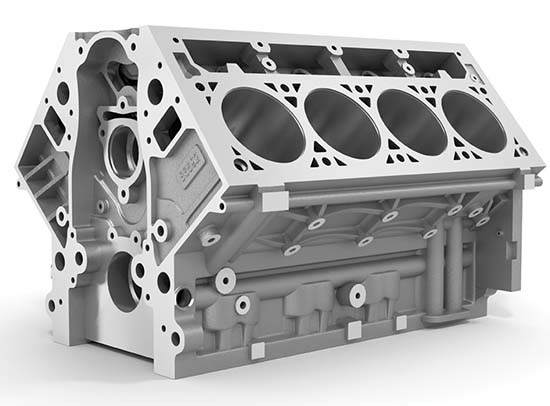
It is the base of the motor and the largest single part of the engine. It houses the cylinders, coolant passages, and oil channels, which allow for smooth functioning. In Toyota cars, the block is typically made from an aluminum alloy, which keeps the engine lightweight while maintaining strength and durability. Since it holds most of the vital moving parts, any issue here affects overall performance.
Maintenance Tip: If you notice overheating, coolant leaks, or unusual smoke, it may point to block damage. Repairing or replacing an engine block in Pakistan can be costly, so regular servicing and using proper coolant are essential.
Cylinder Head: The Control Center
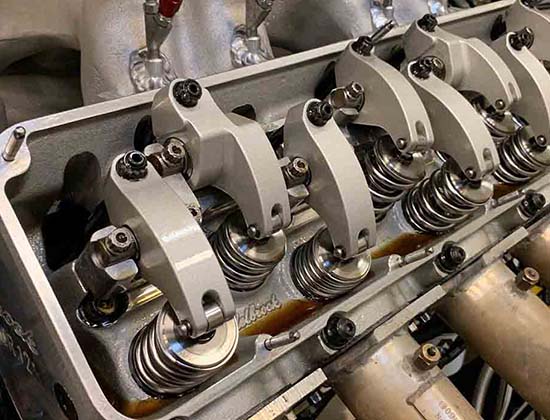
Sitting on top of the engine block, the cylinder head seals the combustion chamber. It contains valves, spark plugs, and passageways that regulate air intake and exhaust flow. Think of it as the control center where air and fuel meet to create power. In Toyota engines, the cylinder head’s design is crucial for efficiency and performance.
Maintenance Tip: Cylinder heads are prone to damage if your engine overheats. Always monitor coolant levels, temperature gauges, and warning lights to prevent costly repairs and ensure optimal vehicle performance.
Pistons: The Movers
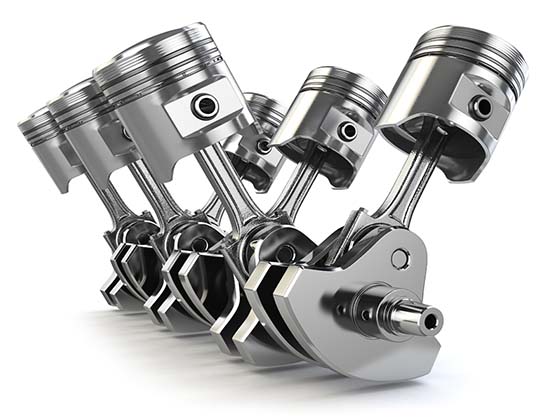
Pistons are cylindrical components that move up and down inside the engine’s cylinders, converting combustion energy into mechanical power. Connected to the crankshaft by rods, pistons are constantly in motion whenever the engine is running. Their speed and precision directly affect performance, fuel economy, and smoothness of your ride.
Maintenance Tip: Worn-out pistons often cause blue smoke, increased oil consumption, and reduced fuel efficiency. Using the right grade of engine oil and changing it regularly helps protect pistons from early wear.
Crankshaft: The Power Converter
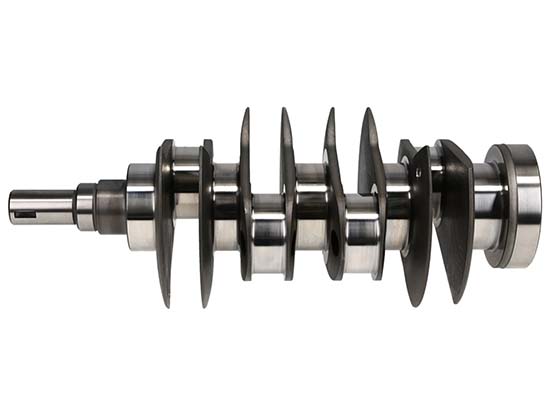
The crankshaft lies at the bottom of the engine block and turns the piston’s up-and-down motion into rotational force. That rotation powers the gearbox and eventually drives the wheels. Built to handle extreme pressure, the crankshaft is one of the most durable parts of the engine.
Maintenance Tip: If your crankshaft develops faults, you may notice rough starts, sudden engine stalls, or the check engine light illuminating. Repairs can be expensive, so regular oil changes and inspections are the best preventive measures.
Camshaft: The Valve Manager

The camshaft works with the crankshaft to control the timing of the intake and exhaust valves. It ensures that valves open and close at the exact right moment, which keeps the combustion cycle efficient. In Toyota cars, a well-tuned camshaft helps balance fuel efficiency and engine power.
Maintenance Tip: Common warning signs of a bad camshaft include ticking noises, engine misfires, or reduced power. Ignoring these issues can lead to further engine damage, so timely inspection is key.
Connecting Rods: The Link
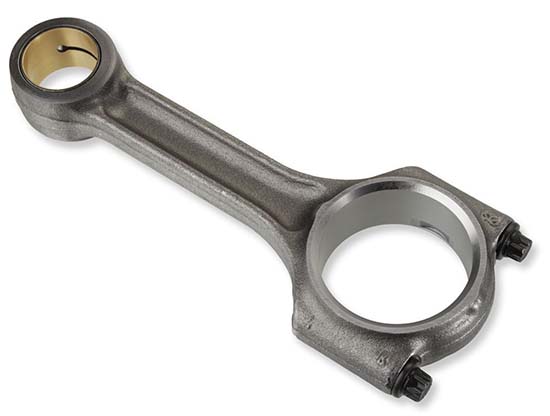
Connecting rods act as the bridge between the pistons and the crankshaft. They transfer the explosive force of combustion into motion that turns the engine. Made from strong metals, they must endure high stress and constant movement every time you drive.
Maintenance Tip: Poor lubrication leads to connecting rod wear, which can cause knocking sounds and severe damage. Always use high-quality, Toyota-approved oils to keep your vehicle in good condition.
Timing Belt: The Coordinator
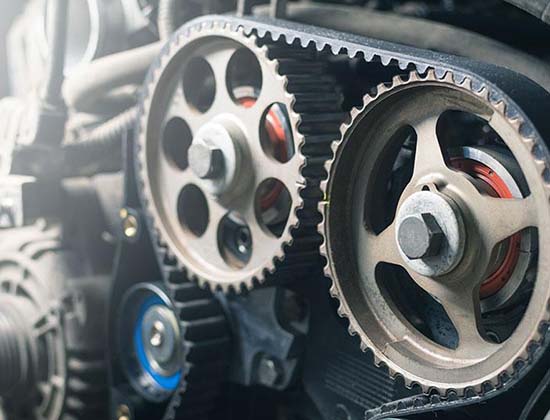
The timing belt synchronizes the crankshaft and camshaft, allowing pistons and valves to move in harmony. Without this coordination, combustion won’t occur properly. In many Toyota models, a strong timing belt ensures smoother engine operation and longer engine life.
Maintenance Tip: Timing belts wear out over time, so replacement every 60,000–100,000 miles is recommended. In Pakistan, this service is far more affordable than repairing engine damage caused by a broken belt.
Spark Plugs: The Igniters
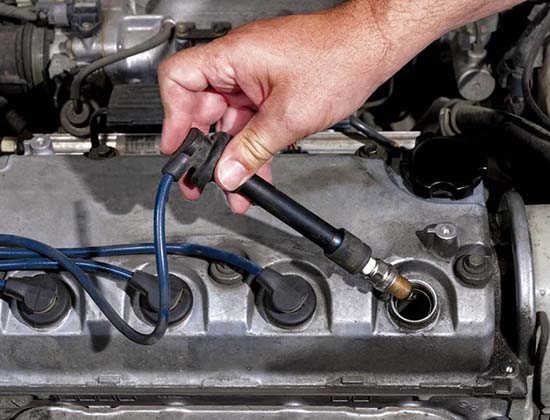
Spark plugs ignite the compressed air-fuel mixture inside each cylinder, starting the combustion process. They may be small, but without them, your car won’t start at all. Good spark plugs improve mileage, acceleration, and overall engine performance.
Maintenance Tip: Dirty or faulty plugs cause poor starts, misfires, and reduced fuel economy. Replacing them is inexpensive and part of routine service at Toyota Creek Motors.
Oil Pan: The Lubricator’s Tank
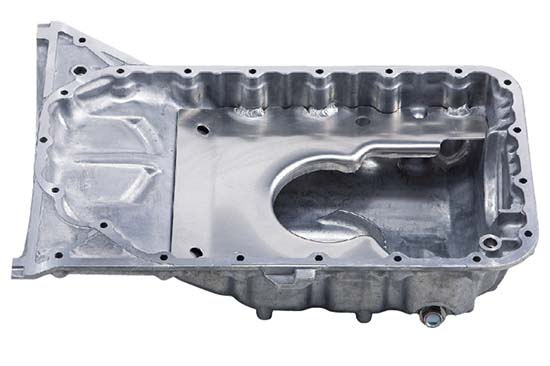
The oil pan sits at the bottom of the engine and stores motor oil. This oil is circulated through the engine to lubricate moving parts, prevent friction, and cool components. Without proper oil flow, even the strongest engine parts will wear down quickly.
Maintenance Tip: Be aware of oil stains under your car, which may indicate leaks from the oil pan or drain bolt. Addressing leaks early prevents damage to more expensive components.
Engine Spare Parts Estimated Cost in Pakistan
Here’s a general idea of spare parts cost in Pakistan;
- Spark plugs: PKR 1,000: 3,000 (per piece, depending on type)
- Timing belt: PKR 10,000: 20,000
- Pistons: PKR 15,000: 25,000 (set of 4)
- Cylinder head repair/replacement: PKR 30,000: 70,000
- Complete engine overhaul: PKR 150,000 and above
These prices vary depending on whether you choose genuine Toyota parts or aftermarket options. Authorized dealers, such as Toyota Creek Motors, always recommend genuine parts for reliability and optimal performance.
Why Regular Maintenance Matters
You don’t need to memorize the list of car engine parts to keep your car in good shape. What matters is regular care. Engine oil changes, coolant checks, and spark plug inspections go a long way in preventing costly breakdowns.
For Toyota drivers in Karachi, the advantage of visiting an authorized dealership like Toyota Creek Motors is the peace of mind it provides. You not only get expert service but also genuine parts that keep your car running smoothly for years.
Conclusion
Understanding car engine parts helps you spot problems early, save on repair costs, and keep your Toyota running at its best. With regular maintenance and genuine parts, your car will stay reliable on Karachi’s busy roads.